How Long Does It Really Take to Build a Habit? (Not 21 Days)
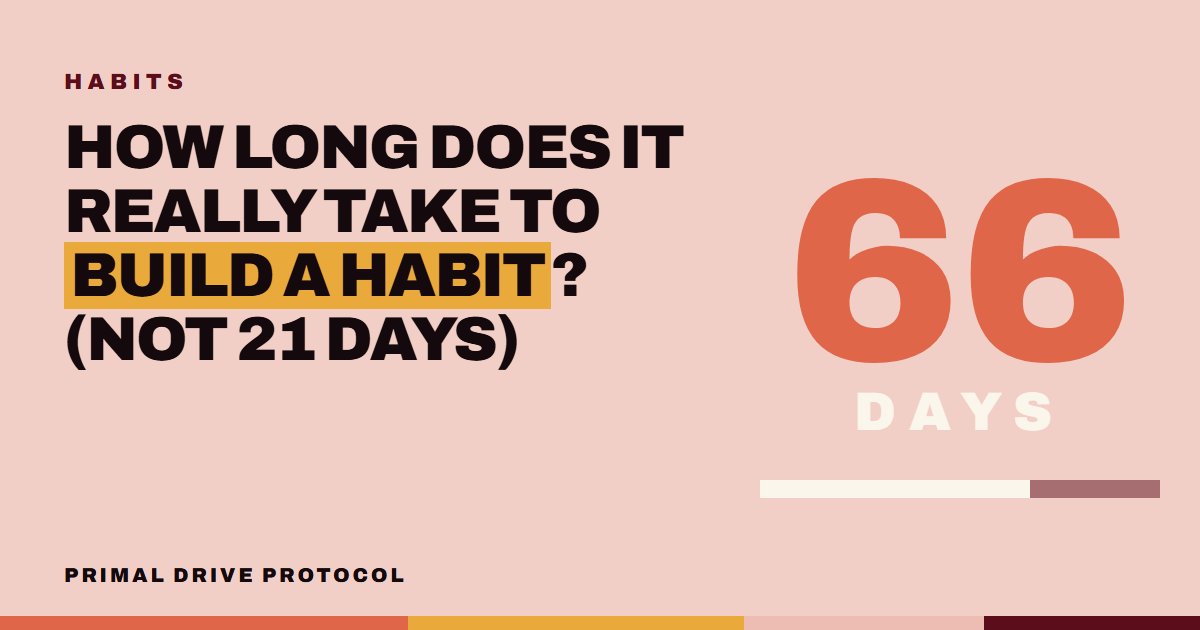
You have probably heard that it takes 21 days to build a habit. That number came from a 1960s book by a plastic surgeon who noticed patients adjusting to new faces. It was never a scientific rule.
What the research found
A study from University College London followed people building new daily habits. On average it took about 66 days for the behavior to feel automatic. The range was huge, from 18 days to 254 days. Simple habits formed faster than complex ones, and missing one day did not ruin progress.
What this means for you
- Expect two to three months
- Choose small habits
- Do not quit after a missed day
How to build a habit faster
1. Make it tiny
Do two minutes of the habit to start. Put on your shoes. Do five push ups.
2. Attach it to a cue
"After I brush my teeth, I do 10 minutes of stretching." An existing habit makes a reliable trigger.
3. Make it easy
Prepare the environment: lay out gym clothes, put the water bottle on the desk.
4. Track it
A simple calendar with a mark each day works.
5. Reward yourself
Enjoy a small positive moment right after.
Examples
| Goal | Tiny version | Cue |
|---|---|---|
| Walk daily | 10 minutes | After lunch |
| Drink water | 1 glass | After waking |
| Sleep earlier | Phone on charger | After dinner |
| Protein breakfast | 2 eggs | After coffee |
The never miss twice rule
Miss one day, fine. Do not miss two. This keeps the streak alive without perfectionism.
Common mistakes
- Starting with five habits at once
- Setting goals too big
- Relying on motivation
- Having no plan for bad days
For more, read How to Stay Consistent.
Frequently asked questions
Does a missed day reset everything?
No. Research found one missed day did not materially affect habit formation.
How many habits can I build at once?
One to three is realistic.
Do habits ever become automatic?
Yes, but some behaviors need ongoing effort, such as exercise.